
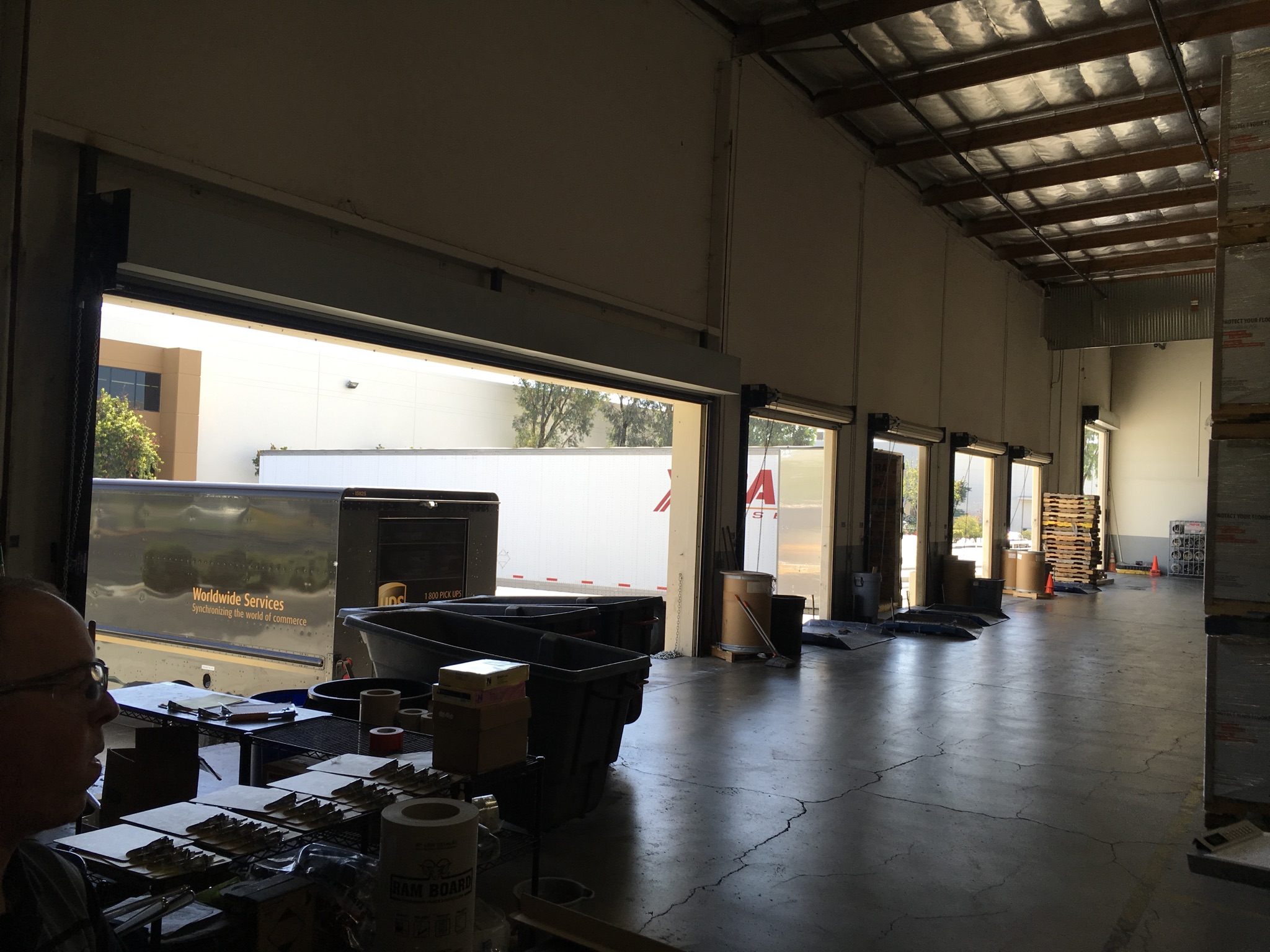
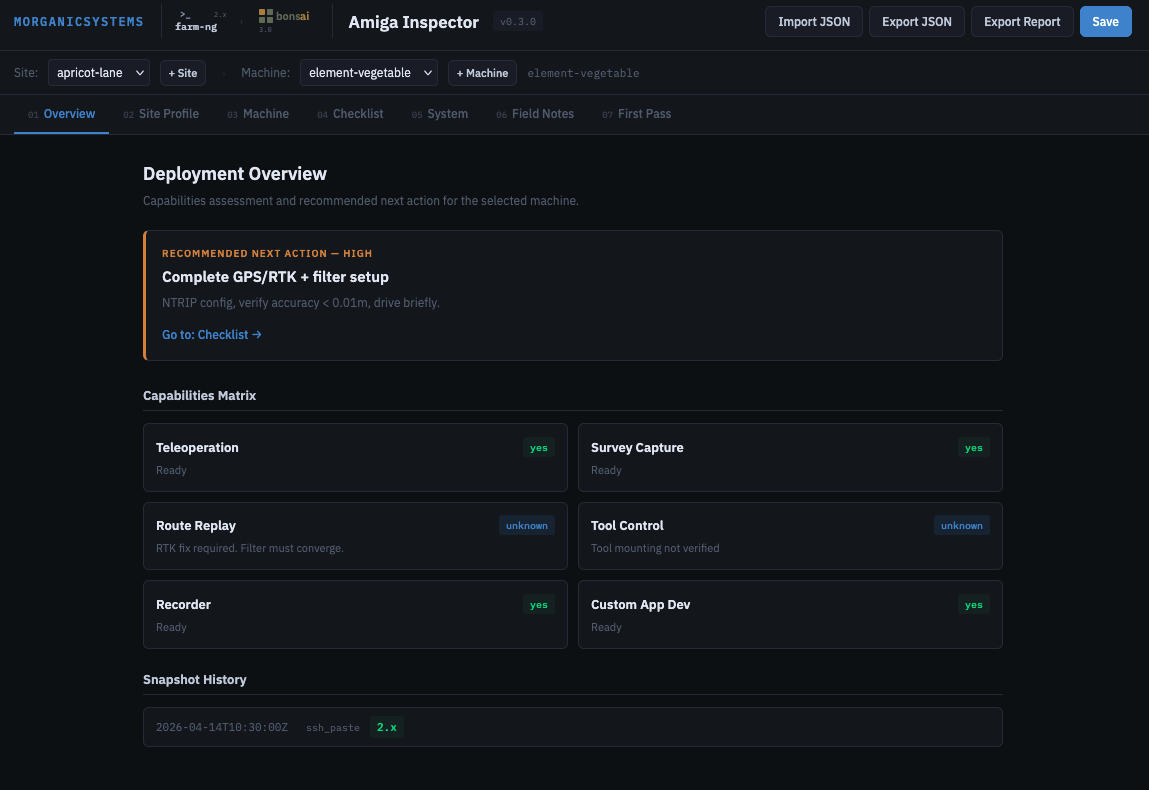
A browser-based field toolkit for agricultural robotics — machine readiness, site geometry, operational planning, and visit continuity. Four live tools share a unified workspace with encrypted backup and cross-tool context propagation, supporting both farm-ng V2.x and Bonsai V3.0 Amiga platforms. Developed and operated through MorganicSystems as an independent field-systems toolkit.
Selected Work
Systems & Software
Operational software built to solve specific problems for real clients and active development. Each entry is documented as a representative reconstruction or, where the system is in active use, linked through to its current deployment. All client work is anonymized unless explicit permission has been granted.
Active Systems & Current Work
Active software projects with working builds, current functional scope, and ongoing development.
AMIGA Operations Toolkit
Live · four-tool suite
TRIAD Multi-Agent Deliberation System
Live — beta
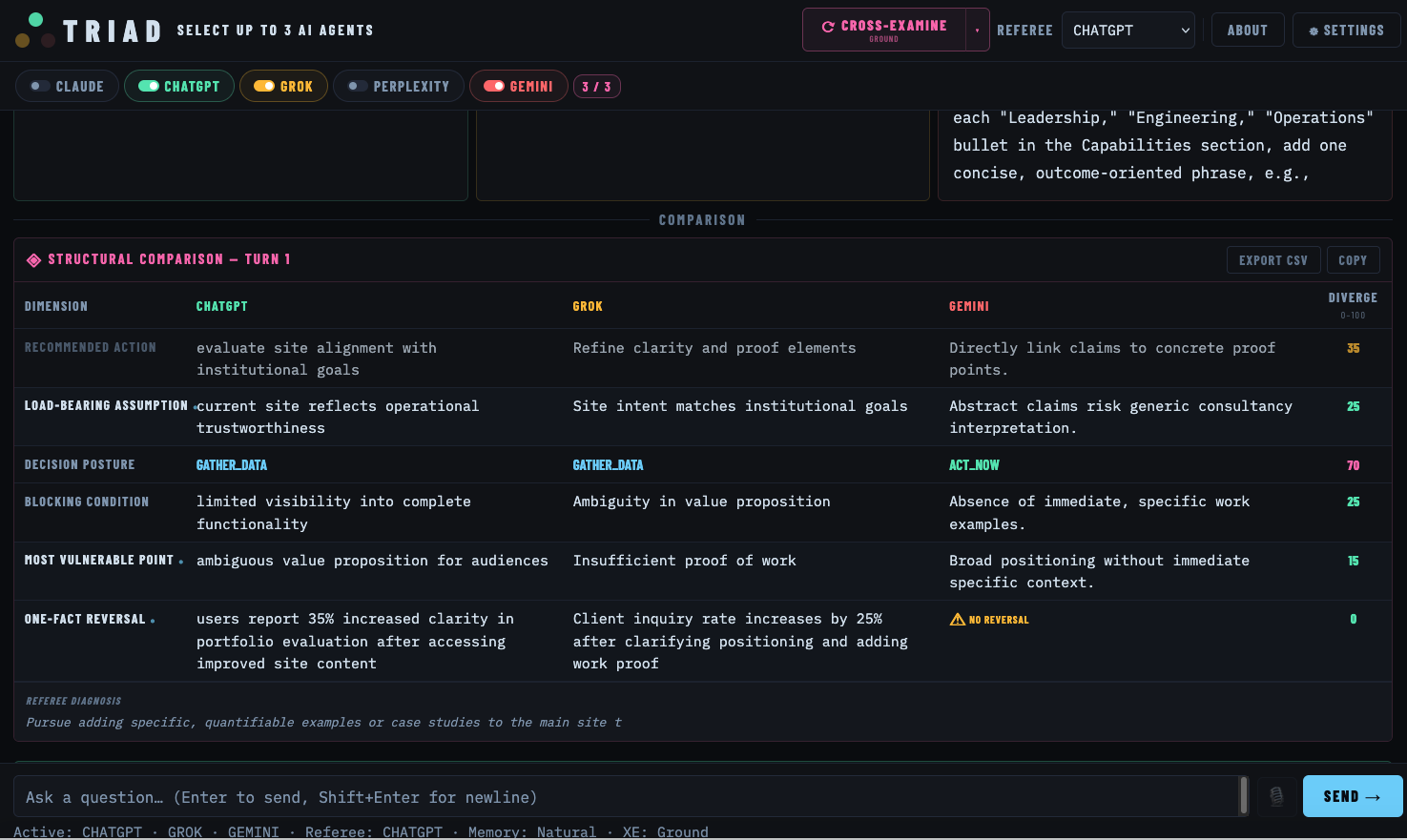
TRIAD is a single-file browser tool that coordinates up to three AI agents in a structured deliberation workflow. Each agent responds independently across six structured fields; a referee synthesizes and scores divergence; four cross-examination modes probe where the reasoning forks. Built for situations where one model's answer isn't enough. Users supply their own API keys; SCVdata does not store or proxy keys, prompts, responses, or session state.
Portfolio Activity Workbench
Live — beta
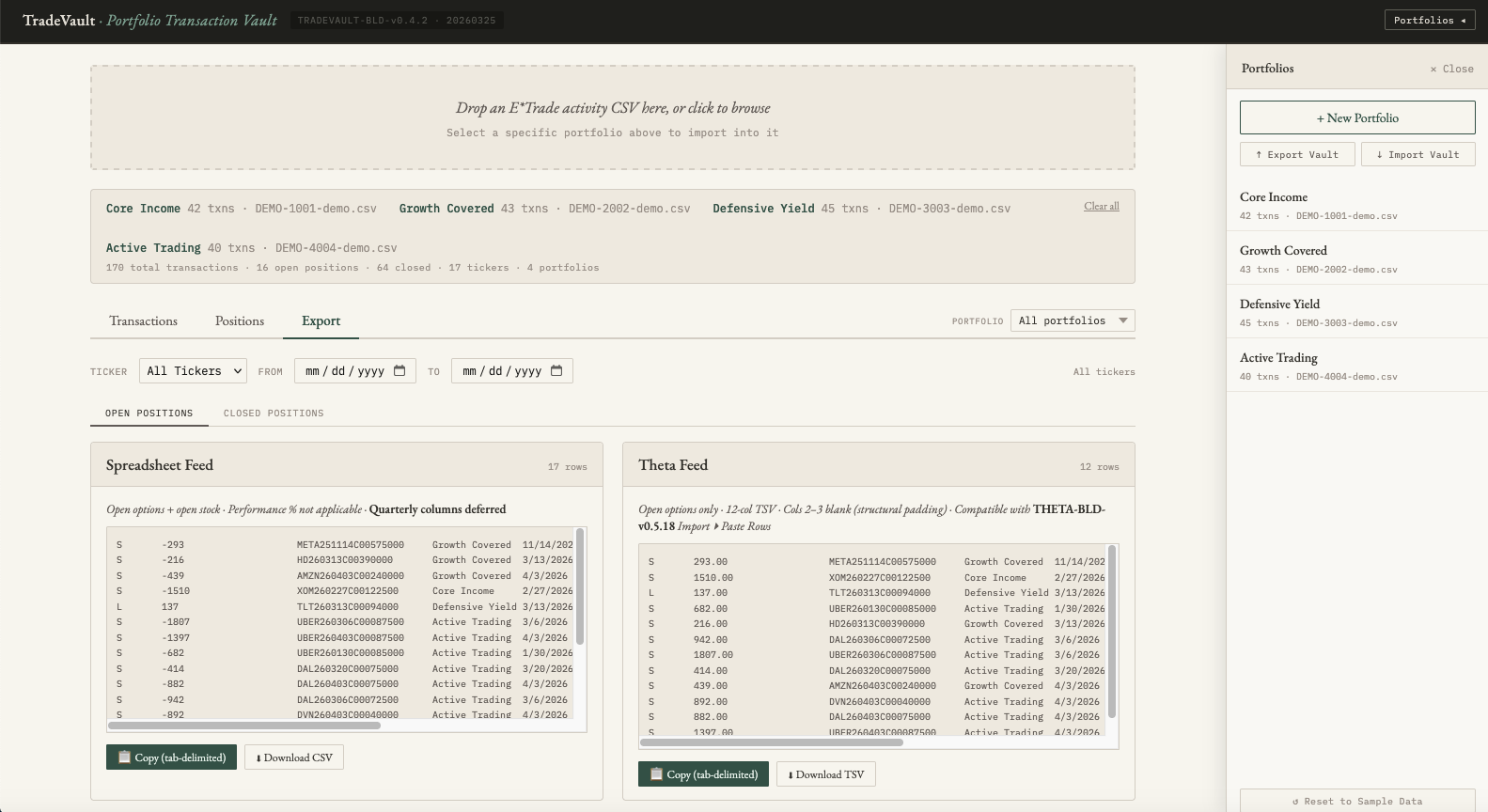
TradeVault parses E*TRADE activity CSV exports and reconstructs a full portfolio picture — open options, closed positions, roll chains, assignment sequences, and stock holdings — across multiple named accounts in a single browser session. User-supplied brokerage data is processed client-side; SCVdata does not store or proxy CSV contents, reconstructed positions, or vault data. The working set exports as an AES-GCM encrypted vault file and generates structured feeds for downstream analysis tools.
Theta Workbench
Live — beta
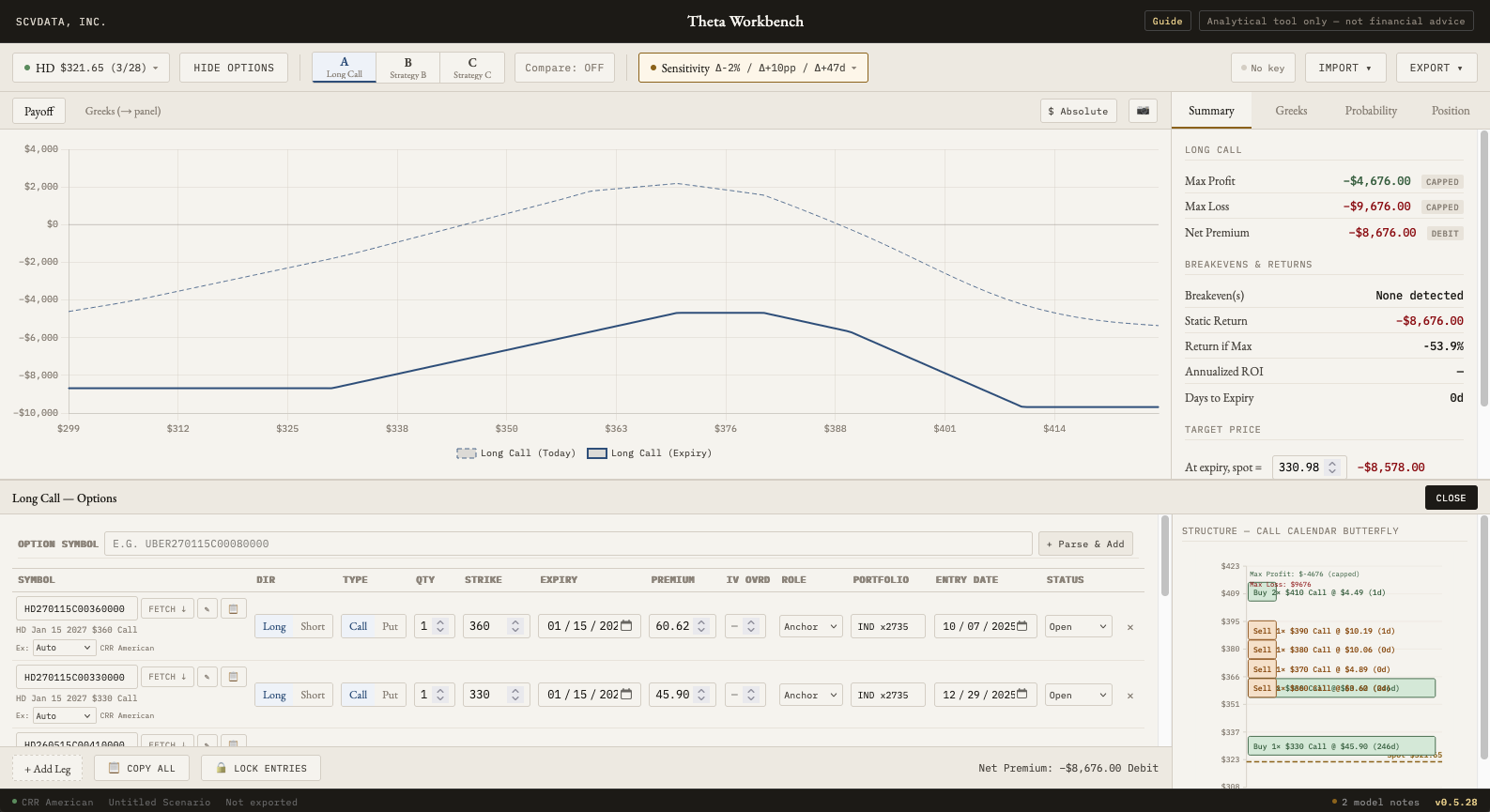
Theta Workbench is a browser-based options analytics workbench for self-directed traders — multi-leg position modeling, payoff visualization, leg-by-leg analytics, and chart context with moving averages, trendlines, and Fibonacci overlays in one ticker-centered workspace. User analytical state is processed client-side; SCVdata does not store or proxy user analytical state. Quote data is retrieved via a serverless function proxying read-only market data from upstream providers.
Selected Operational Systems
Software built around real operating workflows and production use. Selected examples from twenty-five years of operational engineering.
DJ Co-Ops · Multi-State USDA Foods Cooperative Platform
Live — demo
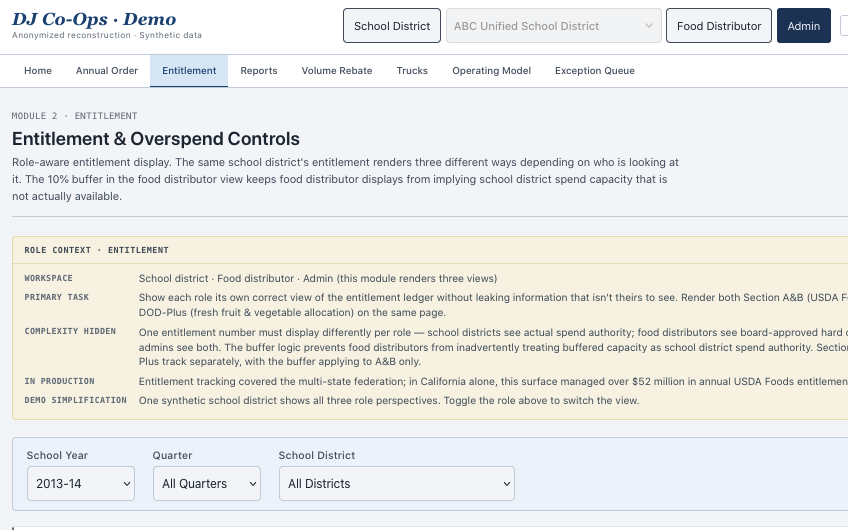
SCVdata supported the final operating years of a 25-year multi-state USDA Foods cooperative platform spanning California, Ohio, and Michigan. The engagement included 1,600+ cumulative school district/vendor records, a 130+ company food processor catalog, 16+ food distributor relationships, 600,000+ rebate transaction lines, and $52M+ in annual California entitlement, all coordinated through a 28-table production schema on legacy ASP.NET / SQL Server / Crystal Reports infrastructure. SCVdata stabilized aging infrastructure, automated reconciliation workflows, and delivered reporting accuracy for a multi-state public-agency foodservice network. A public browser-based reconstruction with synthetic data shows how school districts, food distributors, and administrators viewed the same cooperative workflow from different operational perspectives.
SCVA Registration Software
Live — demo
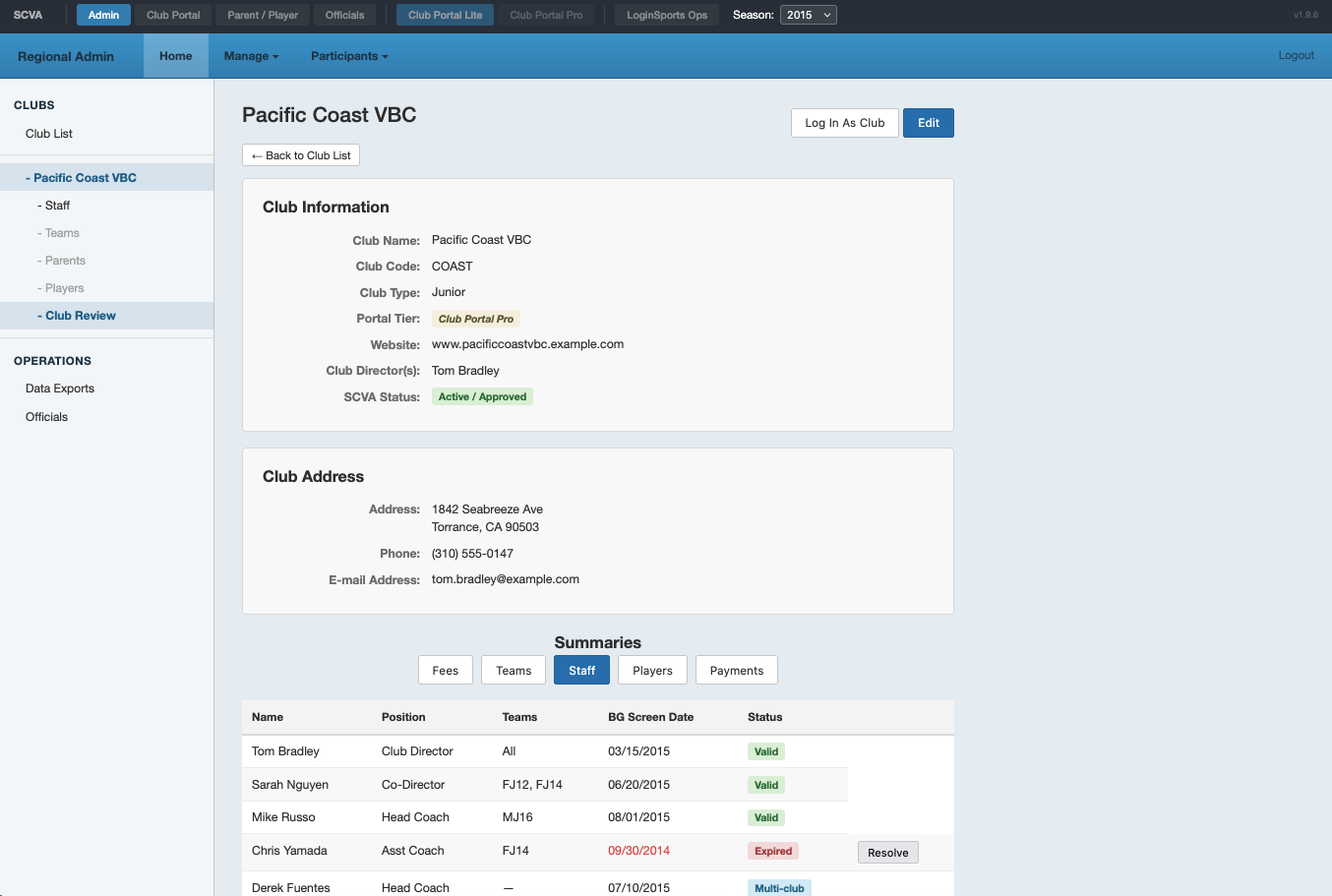
Custom registration software built for the Southern California Volleyball Association supporting approximately 25,000 combined annual registrations across association-level and club-managed workflows. The system handled player eligibility, club affiliation, payment, and roster operations across a multi-year competitive season.
Wholesale Food Operations
Live — demo
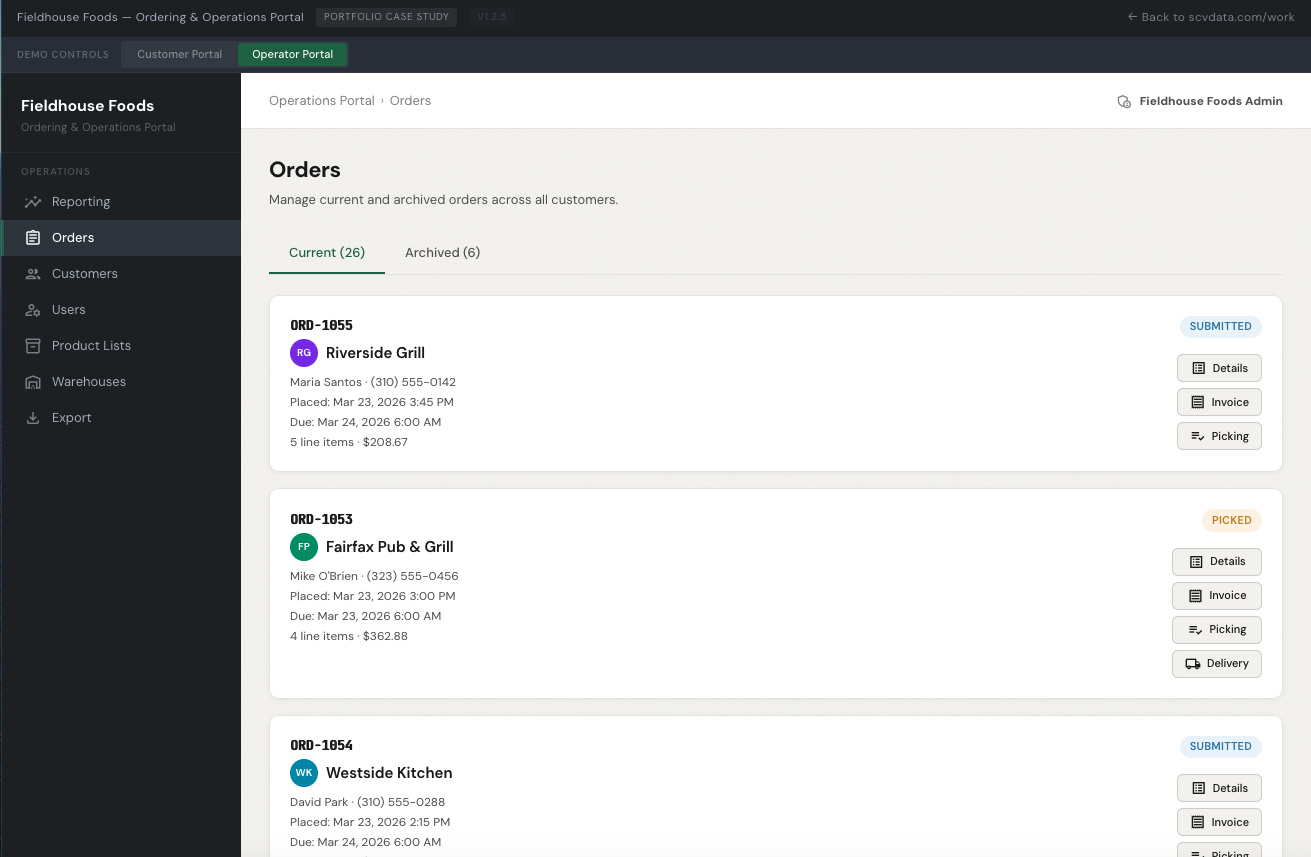
A regional Los Angeles–area food-service supplier was running wholesale ordering by phone, fax, and spreadsheet — no shared order record, no shared pick/delivery status, and no reliable reconciliation path. Fieldhouse Foods reconstructs the workflow as a two-portal system: customer-specific product guides on one side, warehouse picking, delivery tracking, invoicing, and reconciliation export on the other. Approximate source footprint: 40 active accounts and 32,000 invoice line items across a representative seven-month window.
Archive File Management
Live — demo
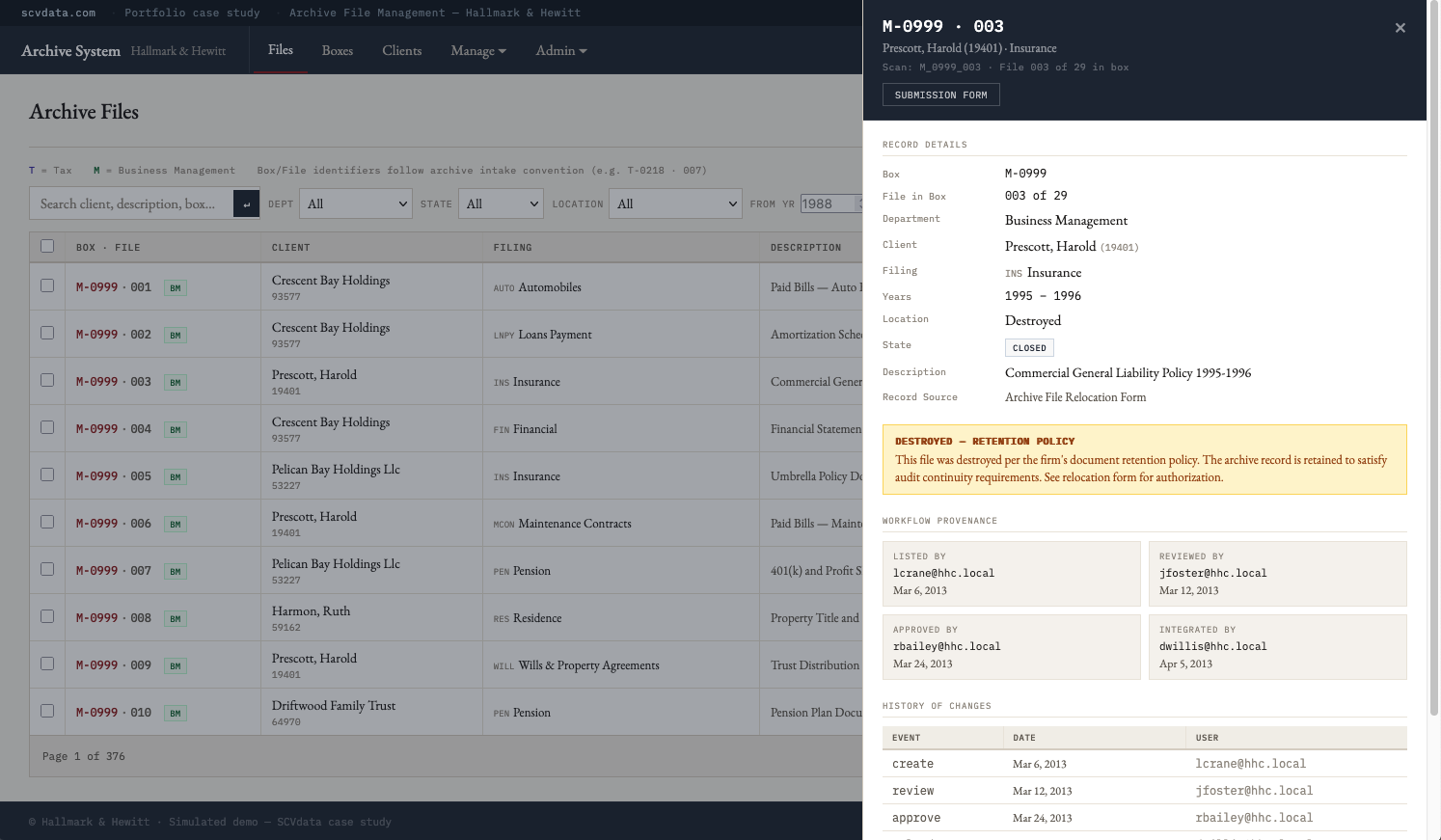
A Los Angeles CPA firm had two decades of client records moving through deadfile rooms, box lists, scanning workflows, and storage locations — with no reliable searchable index. Hallmark & Hewitt Archive reconstructs the browser-based intranet system SCVdata built to make that archive operationally usable: per-box file numbering, four-stage intake workflow, role-based access, physical location tracking, and full audit trails on every record. Archive index covered over 35,000 files at operational scale across Tax and Business Management departments.
Support Archive Search
Live — demo
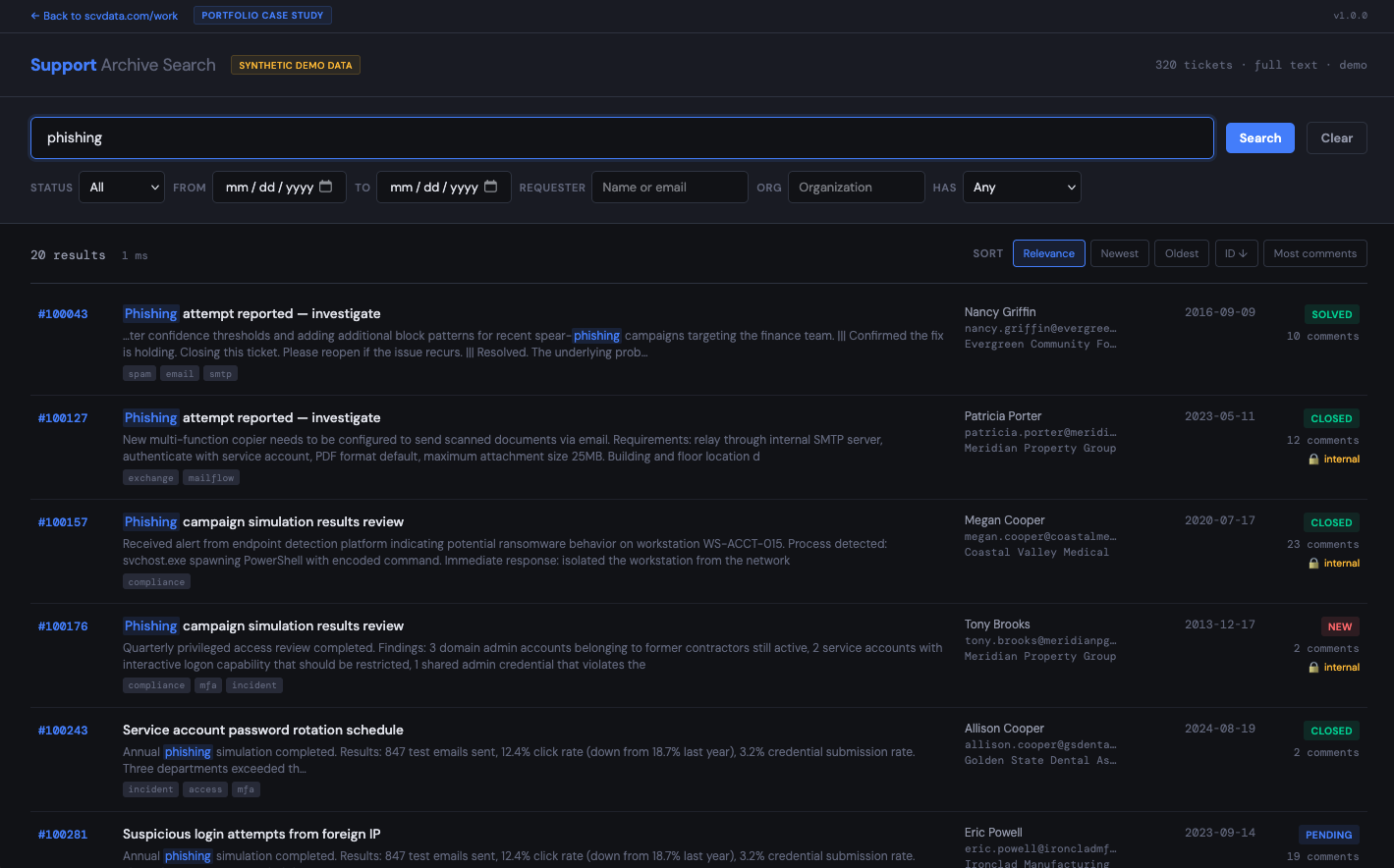
A search and retrieval system over a historical support ticket archive — 31,600 tickets and 130,039 comments — built to make institutional knowledge findable after the original support platform was no longer the primary system of record. Demonstrates archive-grade indexing applied to operational support data.
Food Distribution Reporting
Live — demo
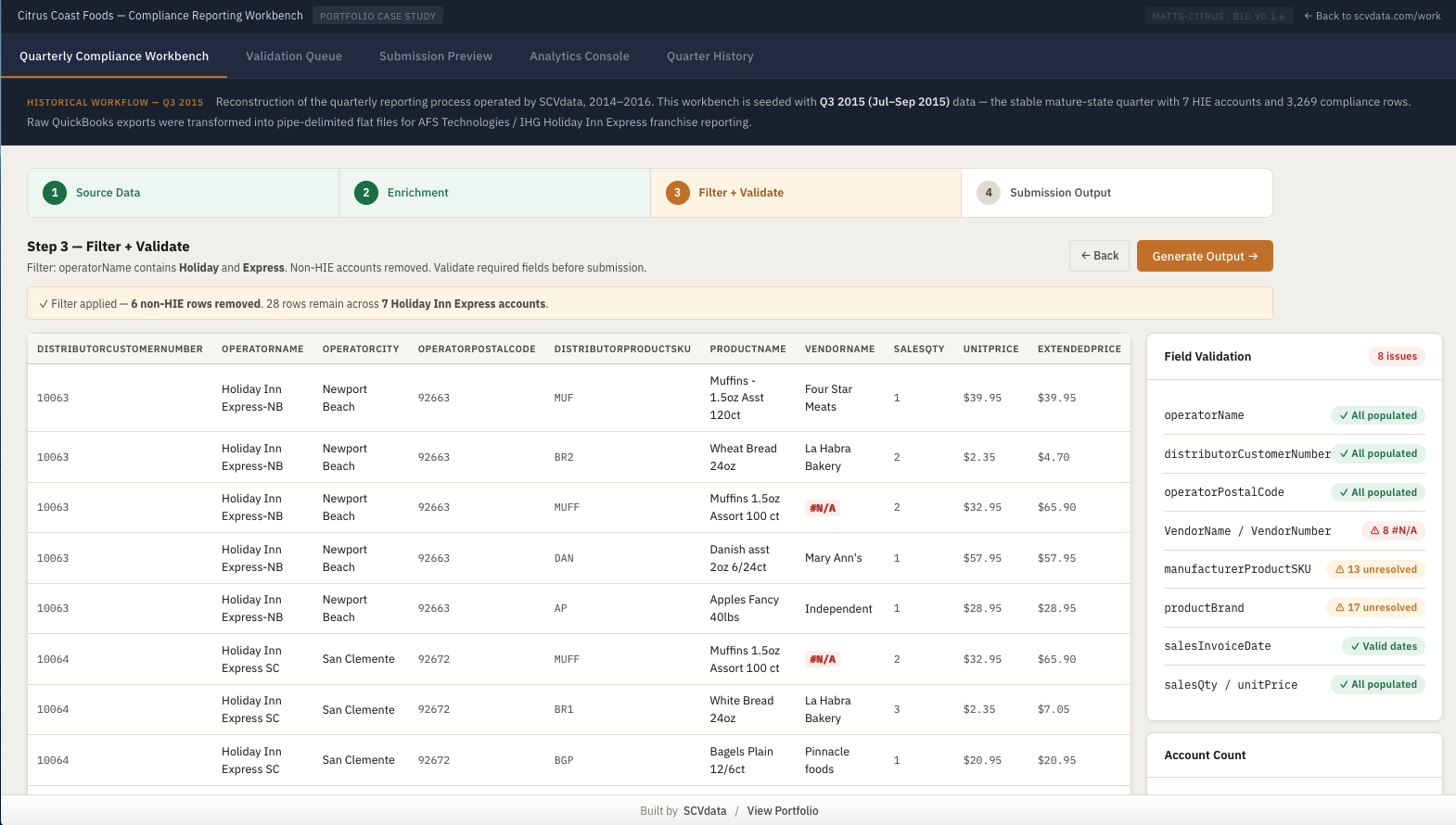
A regional food distributor was required to submit quarterly compliance reports to AFS Technologies as part of a Holiday Inn Express franchise supply agreement. QuickBooks produced no output matching the required 21-column pipe-delimited schema. Citrus Coast Foods reconstructs the quarterly workbench SCVdata built to bridge that gap — raw export load, vendor lookup enrichment, account filter, validation, and submission-ready flat-file preview. Six documented quarters across the 2014–2016 operational window; ~3,200 line items per quarter in accepted submissions.
Future Development
Software concepts and operational workflows being evaluated for future SCVdata tooling. These projects are not presented as shipped systems yet.
SCVdata Hive
SCVdata Hive is a planned local execution fabric for AI-assisted development. It is designed to let reasoning agents focus on architecture, decisions, and review while a coordinated swarm of local worker machines handles execution-heavy tasks such as build validation, screenshot capture, diagnostics, packaging, manifest checks, artifact tracking, and replayable run reports.
OBD Diagnostics
A practical field-diagnostics workflow built around Veepeak and OBD Fusion, starting with a 2019 Silverado 2500HD Duramax L5P test vehicle. The project focuses on validating custom and manufacturer PID data for TPMS, ABS/wheel-speed signals, transmission behavior, diesel powertrain health, and clearer next-step guidance before shop diagnostics or part replacement.
Photo-to-STL
Photo-to-STL is an in-development workflow for turning real-world objects into editable and printable 3D models. It will guide disciplined photo capture, photogrammetry reconstruction, mesh cleanup, scale calibration, STL export, and printability checks using accessible tools such as phone capture, COLMAP, Meshroom, Blender, MeshLab, and Cura.
NiftyScan
NiftyScan is a document-rescue and scanning workflow for replacing fragile legacy NeatWorks archives with a durable, searchable file structure. The project is planned to preserve usable scanning habits, recover legacy records, and rebuild the archive around human-readable files, structured metadata, year-range tracking, backup discipline, and modern maintenance tools.
Morganize Statements
Morganize Statements is an in-development local-first coordination tool for tracking recurring financial, utility, insurance, and household statement retrieval. It tracks provider portals, expected retrieval dates, destination folder paths, filename templates, retrieval history, and filing status — pointing to local files without holding the documents themselves, and relying on the user's browser password manager for credentials. The goal is to keep manual retrieval rhythms consistent and well-documented without becoming another opaque archive system.